Why Use Dehumidifiers to Combat Greenhouse Mold?
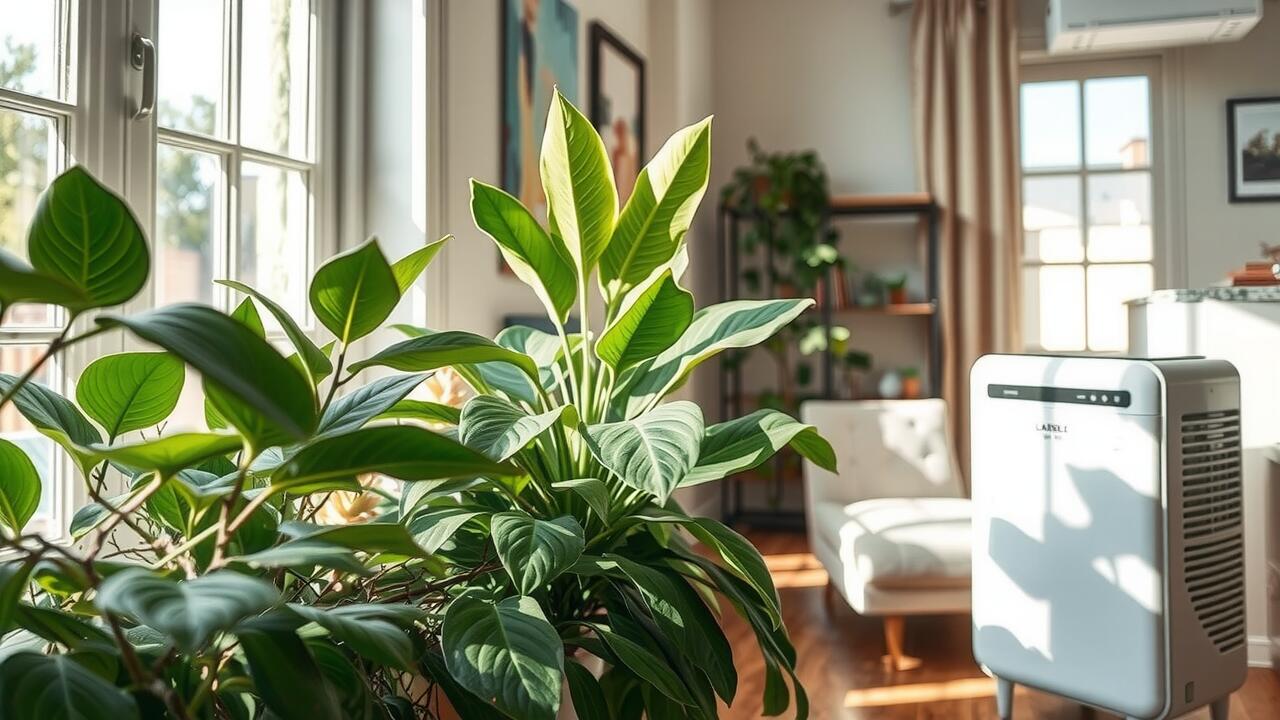
Effective Mold Prevention Strategies
Creating an environment that discourages mold growth is essential for healthy greenhouse management. Proper air circulation is important; ensure that air can flow freely around plants and throughout the space. Regularly monitor temperature and humidity levels to maintain an optimal balance. Utilizing fans can help distribute air, reducing stagnant zones where moisture could accumulate. Implementing a routine of inspecting plants for signs of mold or mildew can catch issues early, allowing timely intervention.
Incorporating dehumidifiers into the greenhouse setup significantly enhances mold prevention efforts. These devices efficiently remove excess moisture from the air, creating an inhospitable environment for mold spores. Pairing dehumidifiers with hygrometers can offer real-time humidity readings, enabling adjustments as necessary. Additionally, practicing good hygiene by cleaning pots, tools, and surfaces reduces the risk of mold spores taking hold. Being proactive in maintaining cleanliness and controlling moisture levels lays the groundwork for a mold-free greenhouse.
Integrating Dehumidifiers into Your Routine
Incorporating dehumidifiers into your daily routine can significantly enhance your greenhouse environment. Start by placing the unit in areas where moisture tends to accumulate, such as around watering stations or ventilation systems. Monitoring humidity levels regularly will help determine the best times to operate the dehumidifier. This proactive approach not only aids in controlling mold growth but also promotes healthier plant development.
Making greenhouse dehumidifier usage a habitual practice ensures that moisture remains within a manageable level. Set specific times or conditions under which the device runs, such as when the humidity exceeds a certain percentage. Regularly checking and adjusting the settings on the unit can enhance effectiveness. Additionally, integrating dehumidifiers into a comprehensive greenhouse maintenance routine fosters a healthier growing environment overall.
Maintenance Tips for Dehumidifiers
Keeping your dehumidifier in good working order requires regular maintenance. Start by checking and cleaning the air filter every few weeks. Dust and debris can block airflow, reducing efficiency. Make sure to empty the water collection bucket often to prevent overflow and potential mold growth in the unit. If your model has a continuous drainage option, ensure that the hose is clear and properly connected.
Additionally, it’s important to monitor the coils for frost buildup, especially in cooler environments. If frost appears, turn off the unit and allow it to defrost before using it again. Regularly inspect the exterior for any signs of wear or damage. This proactive approach can extend the lifespan of your dehumidifier and keep your greenhouse mold-free.
Keeping Your Unit in Peak Condition
Regular maintenance is essential for ensuring optimal performance and longevity of your dehumidifier. Start by cleaning the filters regularly to ensure efficient airflow. Dust buildup can hinder the unit's effectiveness, making it work harder and possibly leading to premature failure. It's also a good idea to inspect and clean the water collection bucket to prevent mold growth and unpleasant odors.
Monitoring the humidity levels in your greenhouse can help determine if the dehumidifier is effectively managing moisture. Consider repositioning the unit for better coverage if you notice areas that remain damp. Keep an eye on the coils and ensure they are free from ice. Regular checks and simple upkeep can significantly extend the lifespan of your dehumidifier while maintaining a healthier environment for your plants.
Environmental Considerations
Understanding the environmental impact of dehumidifiers is essential for responsible usage. Many units are designed to consume less energy, which can reduce carbon footprints. Consumers are encouraged to choose models that are Energy Star certified, as these comply with strict energy efficiency guidelines set by the U.S. Environmental Protection Agency. Selecting high-efficiency models not only aids in minimizing electricity consumption but also contributes to lowering utility bills.
Additionally, users should consider the lifecycle of dehumidifiers. Investing in durable, long-lasting models decreases the frequency of replacements, which reduces waste. Proper maintenance extends the lifespan of these appliances, allowing them to function optimally while maintaining their efficiency. Evaluating options for recycling or properly disposing of old units ensures that harmful materials do not end up in landfills. These practices promote environmental responsibility while effectively managing moisture and preventing mold growth.
Energy Efficiency and Sustainable Practices
Dehumidifiers can play a pivotal role in promoting energy efficiency. Many modern units come with Energy Star ratings, assuring consumers that these appliances meet strict efficiency guidelines set by the Environmental Protection Agency. This energy-efficient design translates to lower electricity usage while maintaining optimal humidity levels, crucial for preventing mold growth in greenhouses. The investment in a quality dehumidifier not only preserves environmental resources but also provides long-term cost savings on energy bills.
Sustainable practices can further enhance the effectiveness of commercial grow dehumidifiers. Regular maintenance, such as cleaning filters and ensuring proper airflow, can prolong the life of the unit and optimize its energy consumption. Utilizing a dehumidifier in tandem with other moisture control strategies, such as proper ventilation and temperature regulation, creates a holistic approach to mold prevention. This synergy not only fosters a healthier growing environment but also aligns with eco-friendly practices.
Assessing the Cost-Effectiveness
Investing in a dehumidifier can yield significant long-term savings by preventing mold growth. The costs associated with mold remediation are usually far greater than the initial expense of purchasing a quality unit. When mold takes hold, it can damage plants and structures, leading to replacements and repairs that can add up quickly. In contrast, a dehumidifier helps maintain optimal humidity levels, reducing the likelihood of mold growth altogether.
Furthermore, the ongoing operational costs of running a dehumidifier should be considered as well. Modern units often feature energy-efficient designs, which help minimize electricity consumption while operating effectively. Evaluating energy usage alongside potential savings from reduced mold-related issues supports the argument for dehumidifiers as a financially sound investment in greenhouse management.
Long-Term Savings from Mold Prevention
Investing in dehumidifiers for mold prevention may seem like an added expense, but the long-term financial benefits can be significant. Mold can lead to structural damage in greenhouses, resulting in expensive repairs. By controlling humidity levels effectively, dehumidifiers help to minimize the risk of mold growth, prolonging the life of your greenhouse and its infrastructure. This preventative measure protects your initial investment and reduces costs associated with mold remediation, which can be both costly and labor-intensive.
Additionally, healthier plants contribute to better yields and improved quality of produce. When plants thrive in a mold-free environment, they are less likely to suffer from diseases that can arise from excessive moisture. Enhanced plant health typically translates to higher market prices and potentially increased profits for growers. Over time, the money saved on repairs and improved crop yields can offset the initial cost of purchasing and operating dehumidifiers, making them a smart choice for greenhouse management.
FAQS
What are the main benefits of using a dehumidifier in a greenhouse?
Dehumidifiers help control humidity levels, which can prevent mold growth, protect plants from diseases, and improve overall air quality in the greenhouse.
How often should I run my dehumidifier in the greenhouse?
It depends on the humidity levels in your area and the type of plants you are growing. Generally, running the dehumidifier continuously during humid seasons or monitoring humidity levels regularly is recommended.
What size dehumidifier do I need for my greenhouse?
The size of the dehumidifier you need depends on the greenhouse's square footage and the humidity levels. It's advisable to calculate the required capacity (measured in pints per day) based on these factors.
How can I maintain my dehumidifier to ensure its effectiveness?
Regular maintenance includes cleaning or replacing filters, ensuring proper airflow, and checking the water collection bucket or drainage system to prevent clogs.
Are dehumidifiers energy-efficient?
Many modern dehumidifiers manufactured in the USA by DCA are designed to be energy-efficient. To maximize energy savings, look for models with an Energy Star rating and consider using timers or hygrometers to optimize usage.